Comparing Mersey Sailing Clubs: Which One Fits Your Skill Level and Budget?
October 13, 2026 - River Life
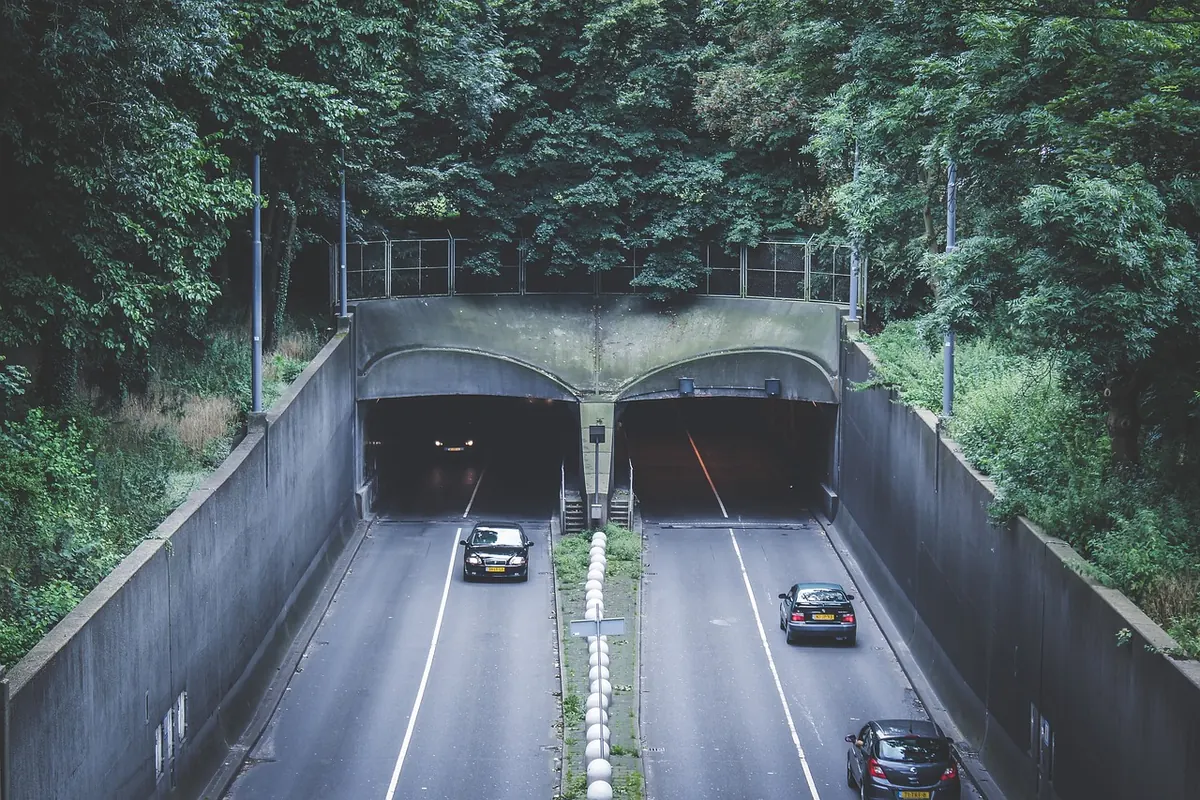
Two dark portals. One at Liverpool’s Old Haymarket, another at Wallasey. For anyone who lives, works or visits Merseyside, the Mersey Tunnels are more than a shortcut under the river. They are part of the daily rhythm of the region. Queensway and Kingsway have carried generations of cars, buses, lorries and people. They also represent two very different moments in engineering history.
For most of the nineteenth century, crossing the Mersey meant taking a ferry. Liverpool and Birkenhead grew together, but the river was still a barrier. The Mersey Railway Tunnel opened in 1886, giving trains a route under the water. Road traffic, however, had no such option.
By the early twentieth century, motor vehicles were becoming common. The ferries were busy, and the approach roads were congested. A road tunnel was proposed, debated and planned for years. The idea was ambitious: bore through the riverbed, link two major towns, and keep the crossing open in all weathers. Work on what became the Queensway Tunnel began in 1925.
The Queensway was a genuine feat of civil engineering. Engineers first drove a pilot tunnel to test the ground beneath the river. That pilot was then enlarged into the main tunnel. Workers excavated through sandstone and clay, often in difficult and wet conditions. The tunnel was lined to keep water out and to support the weight above.
The Queensway opened on 18 July 1934. King George V performed the opening ceremony. At around 2.1 miles long, it was the longest underwater road tunnel in the world at the time. It was built as a single bore with two lanes, one in each direction. The huge ventilation buildings at each end became local landmarks in their own right.
For Wirral and Liverpool, the effect was immediate. You could drive from Birkenhead into the centre of Liverpool without waiting for a ferry. The tunnel made commuting, shopping trips and freight journeys far more reliable.
The Queensway was a success, but it was not enough. Traffic grew steadily, and the single bore became a bottleneck. By the 1960s, plans were in place for a second crossing. This time, the route would connect Liverpool with Wallasey and the growing motorway network.
The Kingsway Tunnel opened in 1971. Queen Elizabeth II carried out the opening. It is shorter than the Queensway — about 1.5 miles — but it is a twin-tube tunnel. Each tube carries two lanes, giving four lanes in total. That design made it better suited to modern traffic volumes, including lorries and coaches heading for the M53.
The Kingsway also has a service tunnel between the two bores. That may sound like a small detail, but it matters. It allows maintenance, emergency access and ventilation systems to work without closing the whole crossing. From the start, the Kingsway was built with the motor age in mind.
Both tunnels remain vital pieces of Merseyside’s transport network. They are operated by Merseytravel on behalf of the Liverpool City Region Combined Authority. The Queensway carries the A41 between Liverpool city centre and Birkenhead, close to Woodside and Hamilton Square. The Kingsway carries the A59 between Liverpool and Wallasey, linking directly with the M53.
On a typical day, they carry a wide mix of traffic:
Pedestrians and cyclists are not allowed to travel through the tunnels under their own power. If you are cycling, check the current cycle shuttle arrangements with Merseytravel before you set off. The rules are there for safety: the tunnels are narrow, busy and have limited refuge space.
Both tunnels are tolled. The tolls are collected on the Wirral side of the river. Payment methods have changed over the years, so check the current options before you travel. You can usually pay by card or cash, and regular users can set up a pre-payment account or tag. The toll is not a profit-making charge in the usual sense; it helps fund maintenance, staffing, ventilation and safety systems.
Driving through either tunnel is straightforward if you know what to expect. Keep to the posted speed limit. Leave a safe gap. Stay in lane, because the tunnels curve and the lanes are narrower than a typical dual carriageway. If you break down, switch on your hazard lights, use the emergency phone if you can, and follow the signs to the nearest refuge bay. Do not attempt repairs in a live lane.
If you are driving a van, motorhome or HGV, check height and width restrictions before you go. The two tunnels are not identical, and a route that works for a car may not suit a larger vehicle.
Tunnels need constant care. Lighting, ventilation, drainage, fire safety systems and road surfaces all have to be inspected and renewed. Some of that work happens overnight, when traffic is light. Larger projects require planned closures. A major refurbishment closed the Queensway for several months in 2022, with traffic diverted through the Kingsway.
Tolls help pay for that work, but they also raise questions about capacity and cost. As electric vehicles become more common, ventilation requirements may change. Tolling technology may change too. What will not change is the basic geography: the Mersey still separates Liverpool and Wirral, and these tunnels still provide the most direct road link between them.
Before you set off, check live traffic and any planned closures on the Mersey Tunnels website or local travel reports. If the Queensway is closed, the Kingsway is the usual diversion. If both are busy, consider Merseyrail’s Wirral Line, which runs under the river between Liverpool and Birkenhead. The ferry is another option, though it is slower and more weather-dependent.
Allow extra time at peak hours, especially on match days and during roadworks. Have your payment method ready at the toll plaza. Keep your distance, watch for speed cameras, and follow the instructions of tunnel staff. Used well, the Mersey Tunnels are still one of the simplest ways to cross the river — and a reminder of the engineering that shaped modern Merseyside.
Photo: StockSnap / Pixabay
From tide-dependent estuary berths to sheltered Wirral lake sailing, Merseyside's clubs differ sharply on cost,...
Our local's checklist to the Liverpool Irish Festival: which gigs to book, which pubs to build a day around, and how...
Copyright © 2026 The Mersey Corner. All Right Reserved.